Keep Building
Things have been tough lately.
New models keep coming out, and our metrics are going nowhere. The one brilliant move that might cut through the chaos is still hard to see. What should we do?
For the first time in a while, I looked back at how I ended up here, doing this.
How Did I Get Here?
In 2020, back at university after military service, I came across a paper called StyleGAN. Watching AI generate faces and seeing them edited with text, I thought: something is coming. I need to do something. To capture my reaction at the time as accurately as possible: isn't that fucking awesome?
So I applied to SW Maestro, a program for training software developers. For the first time, I brought a team together, built an AI model and a service, and put them in front of real users. The more I did, the more I wanted to try. I entered competitions and, for the first time in my life, heard from an investor. Maybe I should actually start a company. That thought crossed my mind, too.
That would take money. Primer happened to be recruiting early-stage teams, so I thought I might as well apply. It was a simple five-minute pitch, but the response was better than I expected. We ended up raising 100 million won in seed funding at a valuation of 1 billion won. Perhaps not a huge sum, but it was huge for university students who had nothing.
Incorporation, negotiating equity among shareholders, agreements, articles of incorporation, business registration. Things I had never done before came pouring in. Still, it felt good. Like someone had recognized us. Like we had accomplished something.
We built the app while attending Primer's business classes and mentoring sessions. Three months later, we launched it properly and gave a polished presentation at Demo Day. I met dozens of investors. The mood was good.
But the metrics weren't going up.
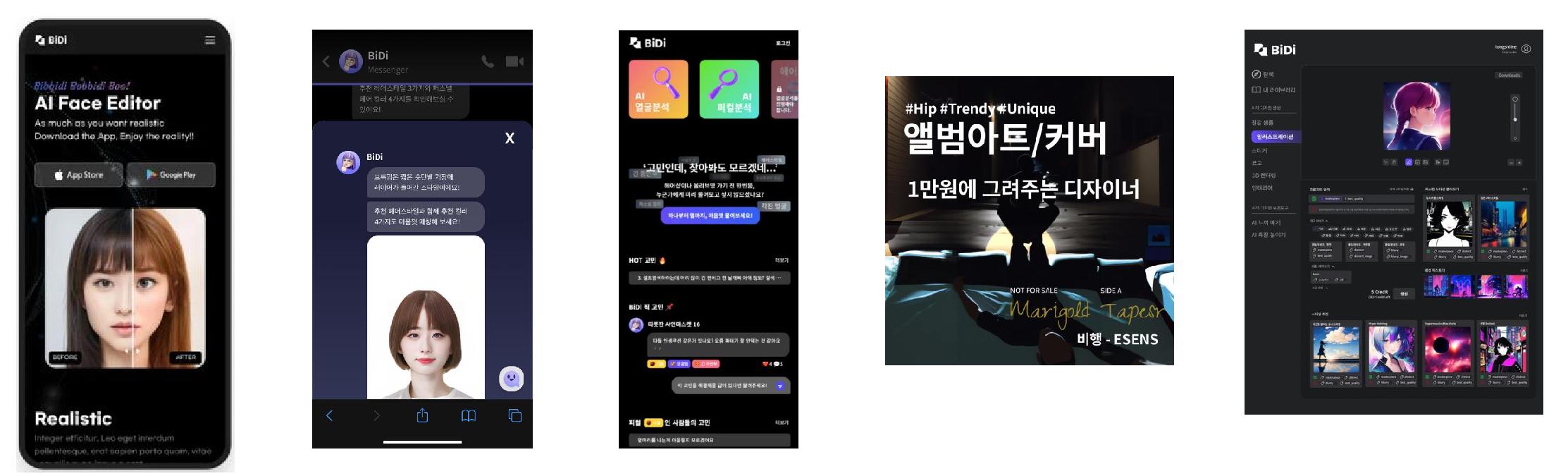
The investment money and our bank balance burned away, month after month. Mentoring mostly meant getting told off, and little changed. I grew impatient. This was when we fell into pivot hell. From AI face editing to hairstyle recommendations, a beauty community, AI album art, and an image-generation service. For months, we kept building something different.
Another six months passed. When we had about one month's payroll left in the bank and even our final idea was rejected, I fell apart.
What the hell am I doing? Why did I start this?
Once the underlying answer to “why am I doing this?” collapsed, my body and mind couldn't hold up. Eventually, we wound the company down. I apologized to our investors. There were tears with the team, too.
What I Brought Back from the Himalayas
Back home, lying around watching YouTube, I saw someone trekking in the Himalayas. I had plenty of time. I booked a flight leaving a few days later and went.
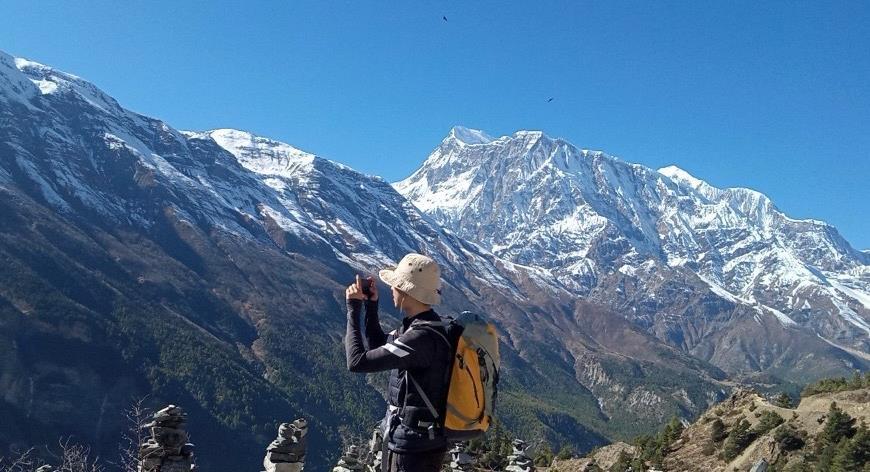
I thought walking through scenery that spectacular might reveal some master plan for my life. Instead, I was too exhausted to think much at all. The views really were incredible, though.
About all that remained was the thought that I wanted to give building an AI product one more proper try. Around then, GANs were fading and Stable Diffusion had arrived. Seeing this new technology, I started to think that maybe I could do something again.
Building Something One More Time
In 2023, I joined NC as an intern. I started researching texture generation based on Stable Diffusion. Once again, I built an AI model and a service, put them in front of actual users, and became part of a team.
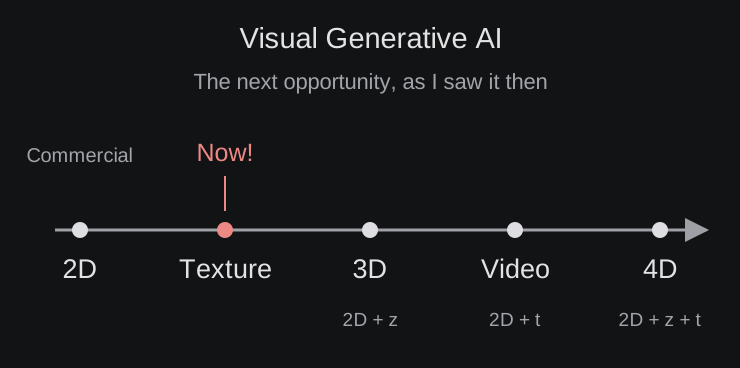
The product evolved into VARCO Texture. We ran internal user tests and collected plenty of modest but meaningful metrics. They look almost funny now, but back then every little number felt good. Is this it? Are we finally getting somewhere?
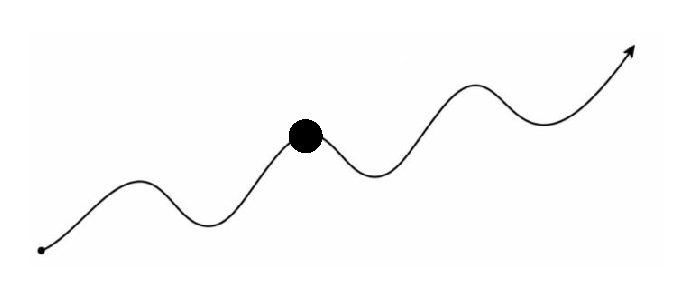
Then came reorganizations, contracts ending, and people leaving. By the end of 2024, only two of us remained on the team.
We changed direction to fit the game teams' needs: varying the colors or states of existing textures. Some results made it into an actual game, and there were cases where the work took less time. Still, adoption was limited. A technology being used once and a product being used repeatedly were different things.
Honestly, I wondered whether I should quit. It was the hardest period since joining the company. Year two, again.
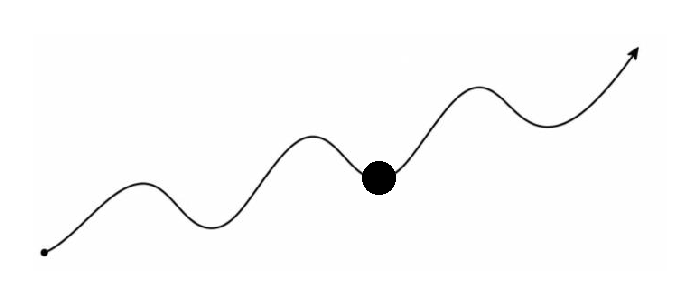
While I was somehow holding myself together, new colleagues joined. A team working on both 3D and textures took shape, and in early 2025 we began developing a 3D generation model and service in earnest.
The team grew quickly. We shipped what we made, watched how users responded, and built again. More people signed up. Generated 3D models accumulated. People started paying to use the product. Maybe now we were finally getting somewhere.
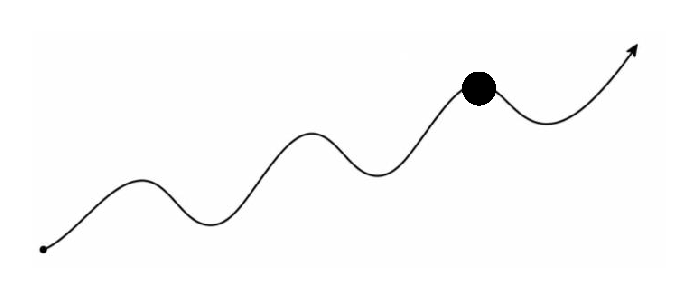
But things have been tough lately. New models keep coming out, and our metrics are going nowhere. The one brilliant move that might cut through the chaos is still hard to see.
Year Two Is Hell
Looking back, I have been building something on roughly a two-year cycle. My startup, VARCO Texture, VARCO 3D.
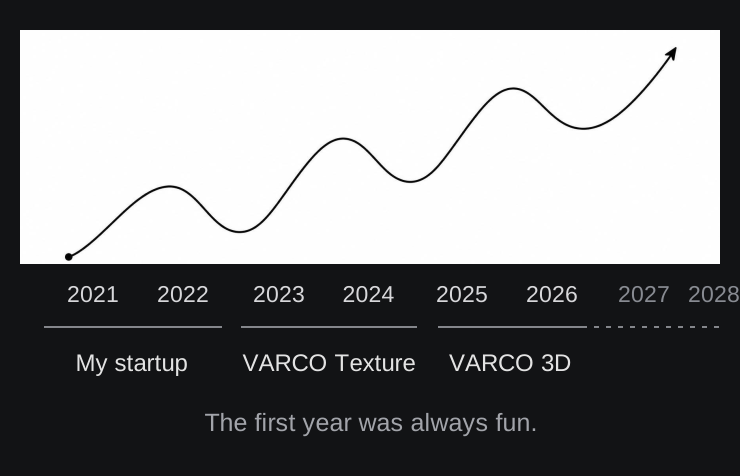
The first year is always so much fun. You discover a new technology. A team forms. There is so much to build, and something changes every day.
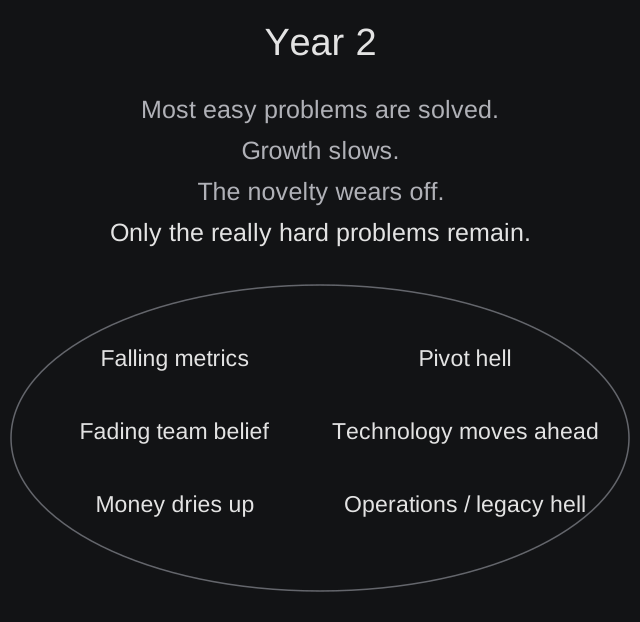
Around year two, things change. Most of the easy problems have been solved. Growth slows. The novelty wears off. Only the really hard problems remain.
Key metrics decline. You fall into pivot hell. Belief within the team starts to fade. Technology outside moves ahead at an incredible pace. Money dries up, or operations and legacy systems bog you down. The products changed, but the point at which things became difficult felt familiar.
“That may work for a year or two, but you will burn out.”
It might work for a year or two, but eventually you burn out.
— Sam Altman, Y Combinator · Later Stage Advice for Startups
He was originally talking to founders who go years without taking a vacation. It is not an answer to the problems of year two, but I read it as a reminder that building for the long haul requires more than simply enduring.
So how do we solve these problems?
Honestly, I don't know either. If I did, perhaps we wouldn't have these problems in the first place.
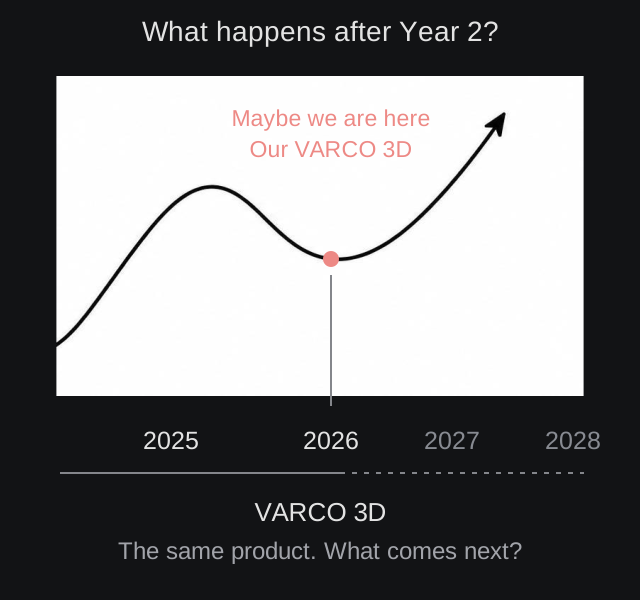
They say building a good product and business takes time. That doesn't mean we should just keep suffering until then. What I am curious about is more specific. What happens if we get through year two with the same product and reach year three?
This Time, I Hope It's B
There seem to be two ways to reach year three. In A, the previous product becomes the soil for the next one. Like BiDi leading to VARCO Texture, then to VARCO 3D. The experience doesn't disappear; it goes into building the next thing.
In B, we reach year three with the same product. VARCO 3D → Better VARCO 3D.
This time, I hope it's B.
To get there, we have to get through this second year. The model's quality must reach a level people can actually use. People must be able to discover the product, and pricing, payment, and the purchase process must be ready. Above all, users need a clear reason to use this product.
None of these problems resolves itself just because we build a good model. Quality, acquisition, sales, a reason to use it. We still have to solve them together.
Here is the hypothesis I want to move forward with: if the 3D generation model clears a minimum quality threshold, and we put the foundations for purchasing and acquisition in place, VARCO 3D can become a product that makes money.
It is still a hypothesis. We need to produce genuinely usable results, find complete use cases, and see whether people experience enough value to come back. Once we survive, perhaps we can take bolder steps toward the best models or a sharper point of differentiation.
Let's Get to Year Three First
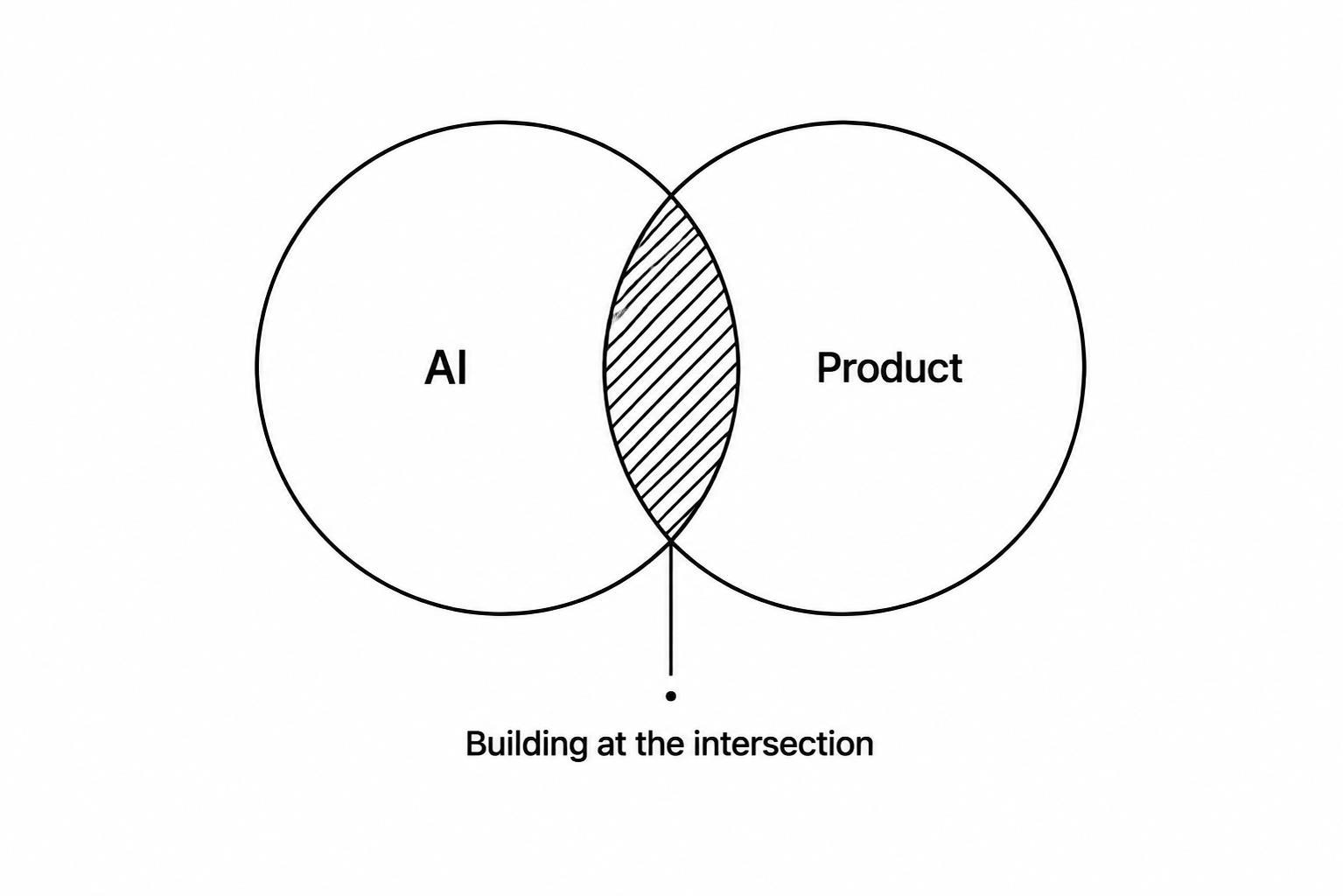
The thought I brought back from the Himalayas was that I wanted to give building an AI product one more proper try. What I want to do still lies at that intersection. Research AI, build a product, and put it in front of real users.
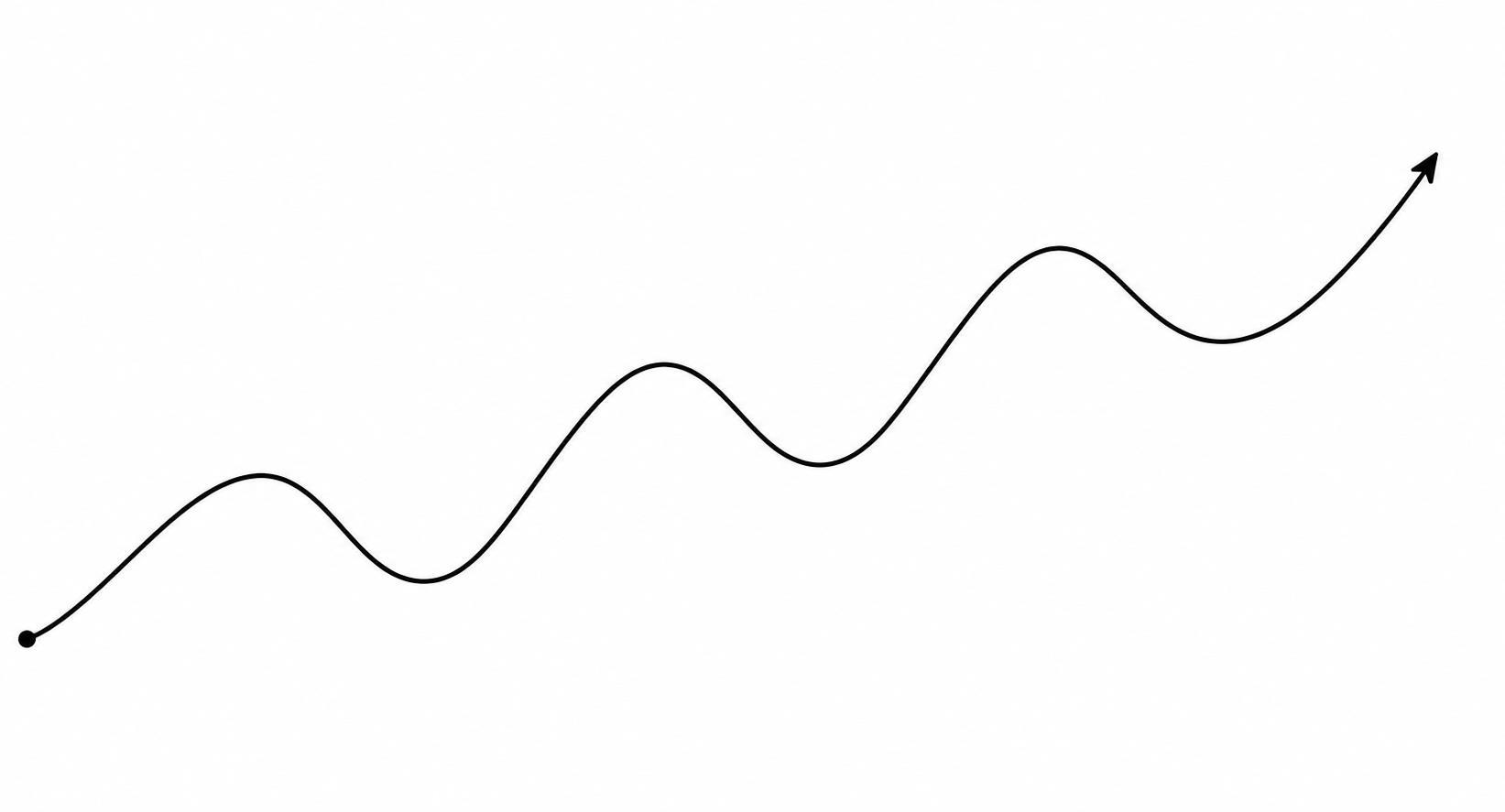
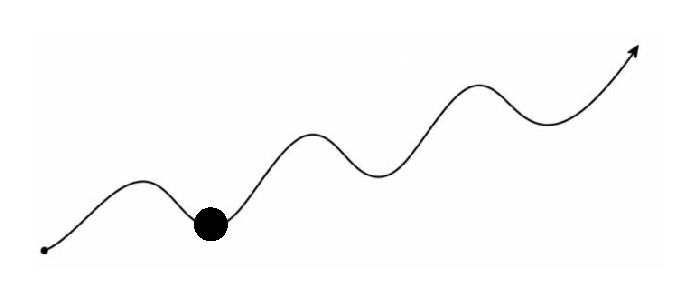
I don't yet know whether we are heading downhill or passing through a valley before the next climb. I can't confidently say we will eventually rise like that curve. Still, this time I want to see what comes next with the same product.
Keep Building. Let's get to year three first.
Comments —